

Everyday habits can affect how comfortable, rested and ready for the day you feel. Four useful starting points are regular movement, enough sleep, a comfortable bath or shower routine, and steady meals and hydration.
Quick answer: Pick one habit that would make your current routine easier. Give it a clear place in your day, keep the first step manageable and adjust it before adding another. You do not need to change everything at once.
1. Find a repeatable way to move
Physical activity supports both physical and mental health. It can also provide a break from sitting, a chance to spend time outdoors or an enjoyable activity to share with someone else.
Choose movement that fits your interests, ability and schedule. A walk after lunch, a short dance break, gardening or a suitable exercise class may be easier to maintain than a routine you dislike.
- Start with an amount you can manage now.
- Connect the activity to an existing cue, such as finishing work or eating lunch.
- Increase the challenge gradually when appropriate.
- Change the plan if pain, exhaustion or scheduling problems make it unsuitable.
Some sessions may leave you feeling brighter or more settled; others may simply be time spent doing something useful for yourself. Both can be worthwhile. The NIH Emotional Wellness Toolkit includes regular movement among its practical strategies for managing stress.
2. Give sleep enough time and consistency
A short sleep schedule can leave you tired, distracted or less patient. Start by allowing enough time for sleep instead of trying to make a few hours of rest do the work of a full night. NIH recommends seven or more hours for adults, with individual needs varying.
A reasonably steady wake-up time and a familiar wind-down routine can give your day structure. Reduce late-night stimulation when you can, and choose a quieter activity as bedtime approaches.
If you nap, keep it short and avoid late-afternoon naps that make nighttime sleep harder. Naps are not a replacement for regularly getting enough sleep. If sleep problems continue or you remain very sleepy during the day, discuss them with a healthcare professional.
For more ideas, see our practical guide to sleep hygiene.
3. Use a comfortable bathing routine to pause
A warm bath or shower can mark a transition: the end of work, a break after exercise or the beginning of a quieter evening. Choose a comfortable temperature and use the time to slow down rather than complete another task.
If you enjoy a cooler shower, keep it brief and comfortable. There is no need to endure distress or commit to a minimum number of weeks. A bathing routine is meant to fit your preferences, not test your willpower.
Cold-water immersion is a different practice from an ordinary shower. The American Heart Association describes risks from sudden cold immersion, including stress on the heart. Seek medical advice before considering it, especially if you have a heart condition. Cold immersion is not necessary for this happier-living habit.
4. Make meals and fluids easier to manage
Food supplies the nutrients your body and brain use every day. A varied eating pattern is more useful than searching for one food that will reliably change your mood.
Keep a few simple meals available. You might combine vegetables, a protein food and a whole grain; use frozen produce when it is convenient; or prepare extra portions for a busy day. Familiar meals that fit your budget and preferences can make consistency easier.
Our guide to seven everyday food choices offers more examples. Add one useful change at a time, such as including vegetables with lunch or planning a breakfast you can make quickly.
For hydration, keep a suitable drink available and respond to your needs throughout the day. CDC guidance explains that water needs vary and that beverages and water-rich foods both contribute. Activity, heat, pregnancy and other circumstances can change those needs.
A fixed gallon target is not necessary for everyone. Follow any fluid guidance you have been given for a health condition rather than treating more water as automatically better.
Where Elimidrol fits in a day-and-night routine
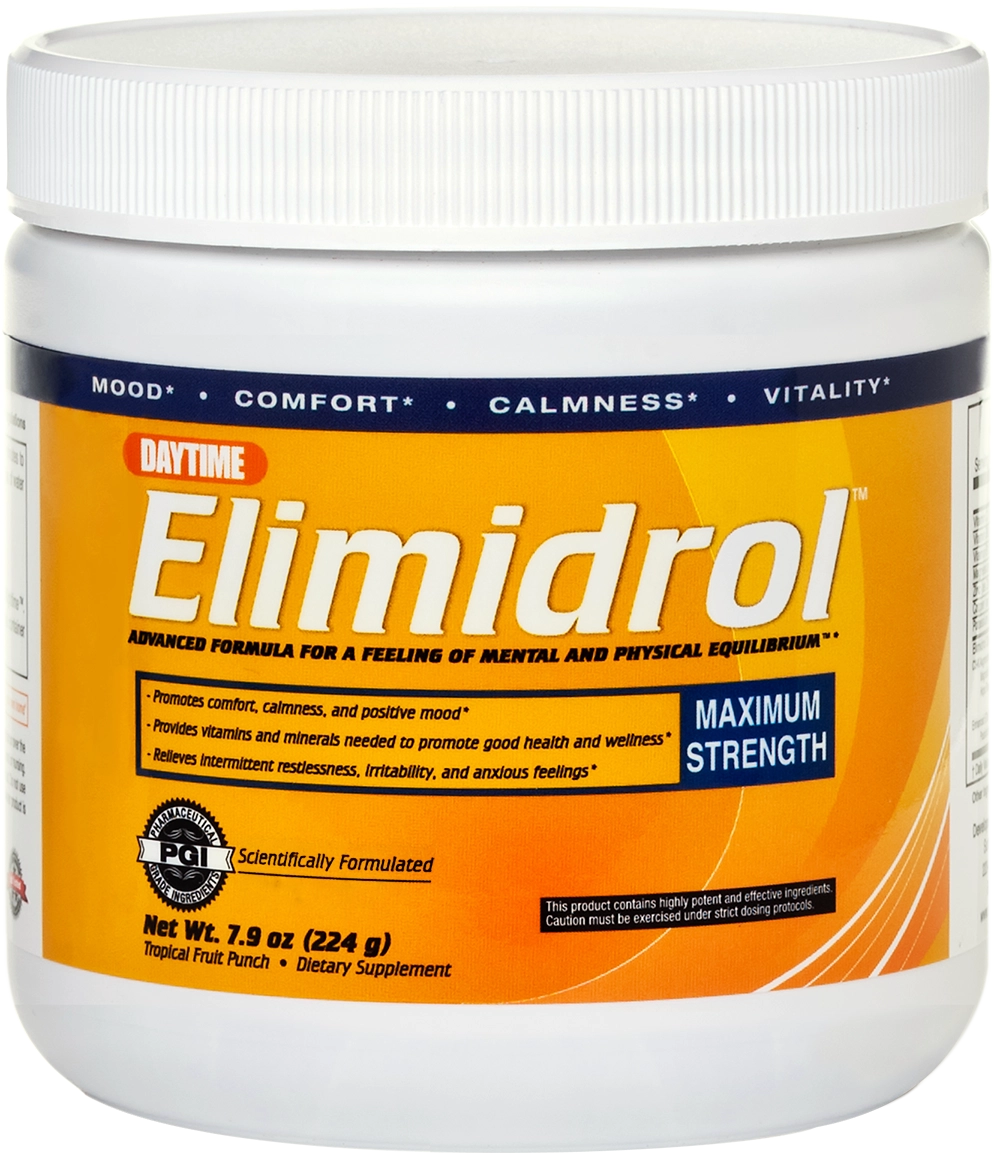
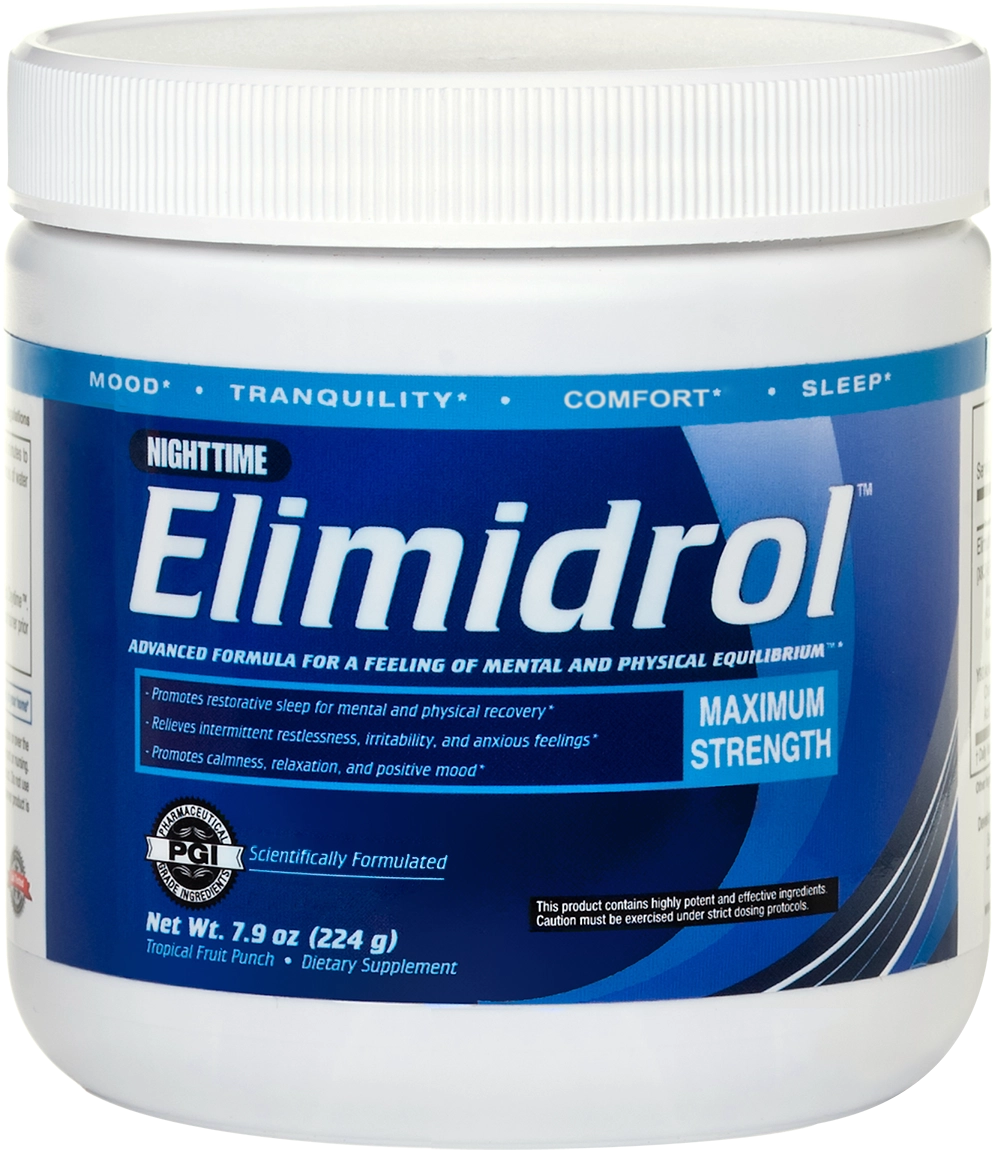
These habits can be supported by other choices that fit your needs. If you want supplement support, Elimidrol Daytime Formula is designed to enhance mood and promote mental and physical comfort, calmness and well-being. Elimidrol Nighttime Formula adds an evening focus on relaxation and restful sleep.
You can view both formulas and read their current ingredient panels and Directions. Supplements sit alongside meals, movement and sleep; they do not replace those foundations. If you take medication or use other supplements, check with a healthcare professional before combining them.
Happier-living questions
What is the simplest habit to start with?
Choose the one that addresses a problem you already notice. If lunch regularly gets skipped, plan lunch. If evenings feel rushed, protect a short wind-down period. A specific need gives the habit a purpose.
How long should I try a change before adding another?
There is no universal timetable. Give yourself enough time to see whether the change fits your routine, and adjust it when necessary. Add another habit when the first feels manageable, not because a deadline says you should.
What if I want help choosing a broader direction?
Explore our three-step guide to a happier life, which connects personal goals, daily habits and meaningful relationships.